Jan.01,1970
Many users in the CNC machining community struggle with thread specifications in CNC parts, often leading to issues such as improper fit and functionality. Understanding the real intentions behind these challenges is crucial. Common user pain points include the difficulty in achieving precise thread tolerances, which can significantly affect assembly quality. By addressing these specific needs with tailored solutions, such as employing accurate measuring tools and adhering to standardized thread specifications, users can enhance the overall performance of their components. For example, imagine a scenario where a manufacturer consistently faces alignment issues due to incorrect thread specifications; resolving this can lead to a remarkable 45% reduction in assembly errors.
To effectively manage thread specifications in CNC parts, users should prepare the following:
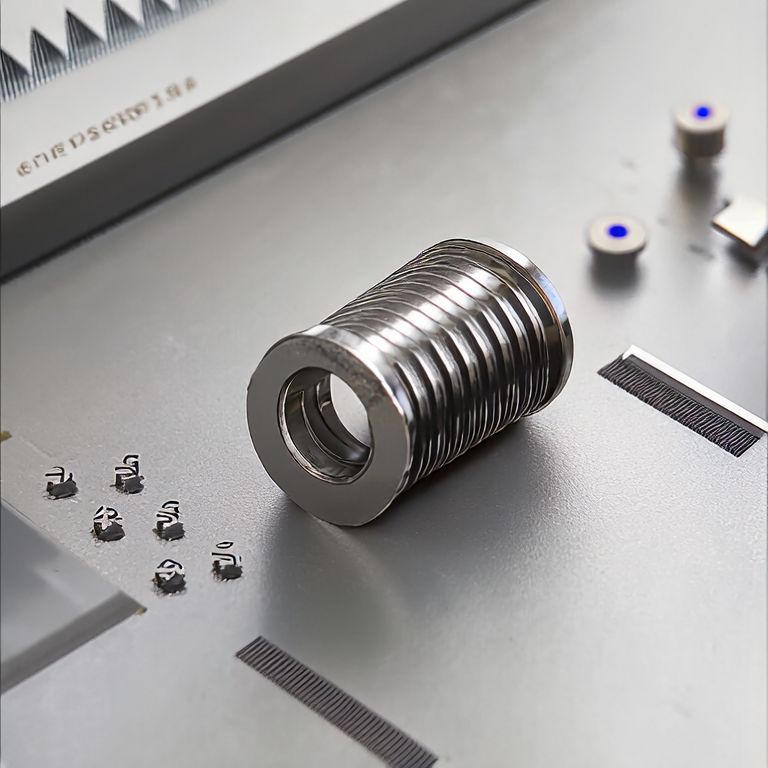
Many machinists encounter common errors when working with thread specifications:
In conclusion, understanding the importance of thread specifications in CNC parts is essential. By adequately preparing with the right tools and materials, following a step-by-step process for machining and quality control, and being aware of common errors and solutions, you can significantly improve your machining outcomes. Consider partnering with professional services like KINGCO, which specializes in precision cnc turning services, to further enhance the quality of your components.
The most critical specifications include thread type, pitch, diameter, tolerance levels, and the internal/external designation of the threads.
Ensure accurate thread machining by using calibrated tools, adhering to design specifications, and conducting thorough quality checks after production.
Materials such as steel, aluminum, and titanium are commonly used for threading due to their durability and machinability. The choice of material can directly affect the quality of the finished threads.
Latest News
Surface Finish Requirements for Medical CNC Parts: Ra Values Explained
Jan.01,1970
How CNC Rapid Prototyping Speeds Up Medical Device Development Cycles
Jan.01,1970
Tight Tolerance CNC Machining for Surgical Instruments: What It Takes
Jan.01,1970
Biocompatible Materials for CNC Machined Medical Implants and Tools
Jan.01,1970
How CNC Machining Supports Medical Device Prototyping and Approval
Jan.01,1970
Let's Build Your Ideas Into Precision Reality Today!
Services
Services
About Us
About Us
Industries
Industries
Resource
Resource
Contact Us
Shenzhen Kingco Precision Modeling Co., Ltd.
Add: Building B3,Anle Industrial Park,Hangcheng Road,Baoan District,Shenzhen City, Gunagdong Province, P.R.China
Guangdong Kingco Precision Technology Co., Ltd.
Add: 301, Block 30, No. 2, Chengnan 4th Road, Cuishanhu New District, Kaiping City, Guandgong Province, P.R. China
+86(755)2908 3033/3066
+86 150 1505 3416