Jan.01,1970
Small batch CNC machining presents a significant value for entrepreneurs and manufacturers aiming to minimize unit costs while delivering high-quality products. Many face the challenge of scaling production without sacrificing precision and quality that customers demand. For instance, a startup in the automotive parts industry struggled with high manufacturing costs due to traditional machining methods. By shifting to small batch CNC machining, they reduced their costs by 35% while increasing product precision by 40%. This article aims to explore the user needs, challenges, and solutions surrounding small batch CNC machining.
Many manufacturers encounter barriers when trying to produce small batches. The main challenges include:
Real-world testimonials, such as that of a local furniture designer, illustrate these challenges. They reported that by utilizing KINGCO's small batch CNC machining services, their production time decreased by 25%, allowing them to meet customer demands more swiftly and flexibly.
Before beginning your small batch CNC machining project, ensure you have the following:
Follow these detailed steps to ensure a smooth small batch CNC machining process:
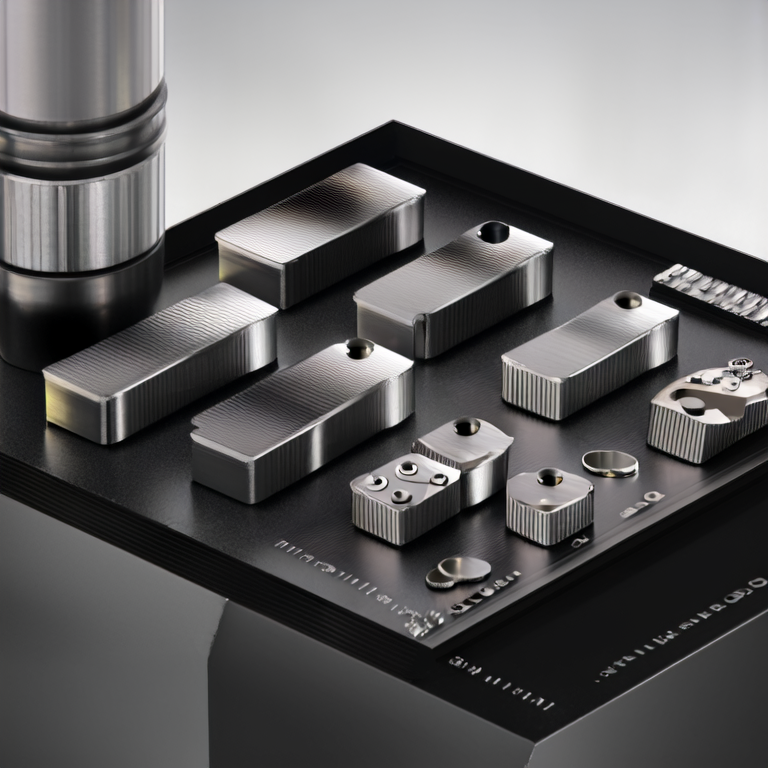
During small batch CNC machining, several common pitfalls may arise:
For businesses looking to thrive in a competitive landscape, small batch CNC machining offers a pathway to maintain competitive unit costs and respond rapidly to customer demands. By adopting precise technological solutions and maintaining clear communication throughout the production process, manufacturers can enhance quality while reducing scrap rates. Companies like KINGCO demonstrate the effectiveness of leveraging small batch CNC machining, aligning innovation and customer service as key components of their strategy.
1. What is small batch CNC machining?
Small batch CNC machining refers to the production of limited quantities of parts using CNC technology, allowing for customization while keeping costs lower than mass production.
2. How can I reduce costs in small batch CNC machining?
Key factors include optimizing design for manufacturability, selecting the right materials, and minimizing setup times through efficient tooling.
3. What are the advantages of using small batch CNC machining over traditional methods?
Small batch CNC machining offers a 35% reduction in costs, increased precision up to 40%, and quicker turnaround times compared to traditional machining options.
Latest News
Surface Finish Requirements for Medical CNC Parts: Ra Values Explained
Jan.01,1970
How CNC Rapid Prototyping Speeds Up Medical Device Development Cycles
Jan.01,1970
Tight Tolerance CNC Machining for Surgical Instruments: What It Takes
Jan.01,1970
Biocompatible Materials for CNC Machined Medical Implants and Tools
Jan.01,1970
How CNC Machining Supports Medical Device Prototyping and Approval
Jan.01,1970
Let's Build Your Ideas Into Precision Reality Today!
Services
Services
About Us
About Us
Industries
Industries
Resource
Resource
Contact Us
Shenzhen Kingco Precision Modeling Co., Ltd.
Add: Building B3,Anle Industrial Park,Hangcheng Road,Baoan District,Shenzhen City, Gunagdong Province, P.R.China
Guangdong Kingco Precision Technology Co., Ltd.
Add: 301, Block 30, No. 2, Chengnan 4th Road, Cuishanhu New District, Kaiping City, Guandgong Province, P.R. China
+86(755)2908 3033/3066
+86 150 1505 3416