Jan.01,1970
Selecting the right tolerances for CNC machined parts can often be a daunting task for engineers and manufacturers. One common issue faced is achieving the fine balance between functionality and cost. It's not unusual for users to encounter problems such as excessive material waste or parts that do not fit together correctly. The real intention behind navigating these complexities is to ensure a seamless production process while adhering to tight tolerances in CNC machining. Inadequate tolerances can result in parts that are too loose or tight, impacting overall performance. In this article, we’ll delve into essential strategies for selecting tolerances, understanding user needs, and providing a comprehensive guide for optimal CNC machining outcomes.
Before diving into CNC machining, it’s crucial to familiarize yourself with essential materials and tools. Start by gathering appropriate resources, including:
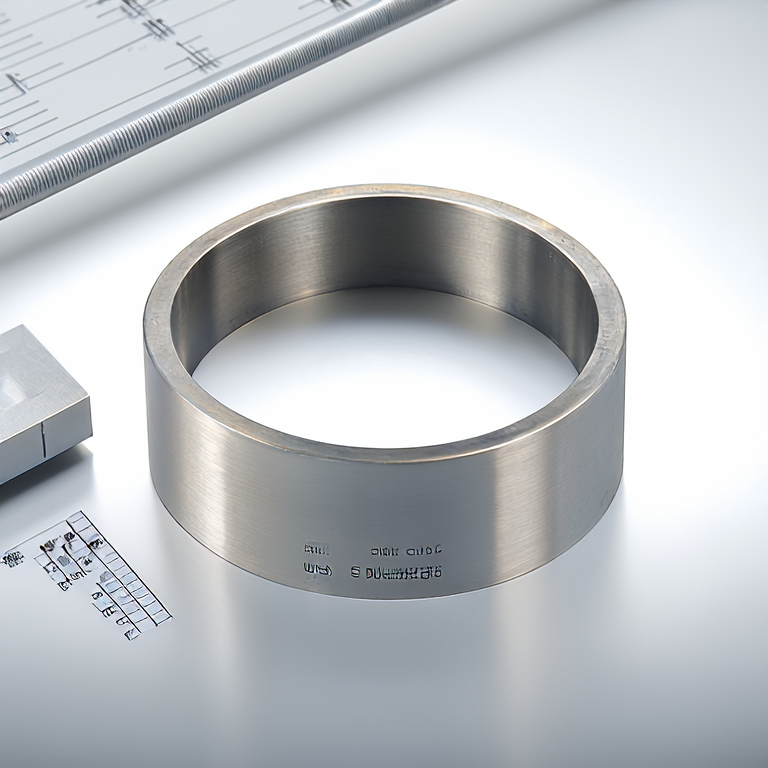
Despite thorough planning, errors can occur during the design or production phases. Here are some common issues and solutions:
Choosing the right tolerances in CNC machining is essential for ensuring product quality and assembly efficiency. By understanding functional requirements, consulting standards, and effectively communicating with manufacturers like KINGCO, you can navigate the complexities of machining tolerances efficiently. Remember to continuously evaluate the performance of your parts and adjust tolerances as necessary to meet production goals.
Tight tolerances typically refer to specifications that fall within a narrower range, such as ±0.001 inches. This precision is critical in applications like aerospace or medical device manufacturing.
Selecting appropriate tolerances can minimize waste, reduce costs, and improve product performance, ultimately leading to customer satisfaction and lower rejection rates.
Utilizing measurement tools like calipers and micrometers during and after the machining process helps ensure that parts meet designed tolerances, while also integrating quality control checks can safeguard against defects.
Latest News
Surface Finish Requirements for Medical CNC Parts: Ra Values Explained
Jan.01,1970
How CNC Rapid Prototyping Speeds Up Medical Device Development Cycles
Jan.01,1970
Tight Tolerance CNC Machining for Surgical Instruments: What It Takes
Jan.01,1970
Biocompatible Materials for CNC Machined Medical Implants and Tools
Jan.01,1970
How CNC Machining Supports Medical Device Prototyping and Approval
Jan.01,1970
Let's Build Your Ideas Into Precision Reality Today!
Services
Services
About Us
About Us
Industries
Industries
Resource
Resource
Contact Us
Shenzhen Kingco Precision Modeling Co., Ltd.
Add: Building B3,Anle Industrial Park,Hangcheng Road,Baoan District,Shenzhen City, Gunagdong Province, P.R.China
Guangdong Kingco Precision Technology Co., Ltd.
Add: 301, Block 30, No. 2, Chengnan 4th Road, Cuishanhu New District, Kaiping City, Guandgong Province, P.R. China
+86(755)2908 3033/3066
+86 150 1505 3416