Jan.01,1970
When it comes to CNC machining, selecting the appropriate surface finish for your part can be a challenging task. Users often find themselves navigating a range of options, each with its own set of pros and cons. Are you looking for increased corrosion resistance? Or perhaps a specific aesthetic appeal? Understanding your application's demands is crucial. For example, a client in the aerospace industry discovered that switching to an anodized finish not only reduced weight by 15% but also enhanced wear resistance, leading to improved lifecycle performance.
Before diving into the selection process, it's critical to clarify your requirements. Key questions include:
These factors can guide you to the right surface finish. For instance, a client who manufactures products for the medical industry found that opting for a electropolished finish improved cleanliness and reduced micromotion, vital for patient safety.
Having a clear understanding of your needs sets the stage for the following preparations. Here are the essentials:
Follow these numbered steps to find the ideal surface finish for your CNC machined part:
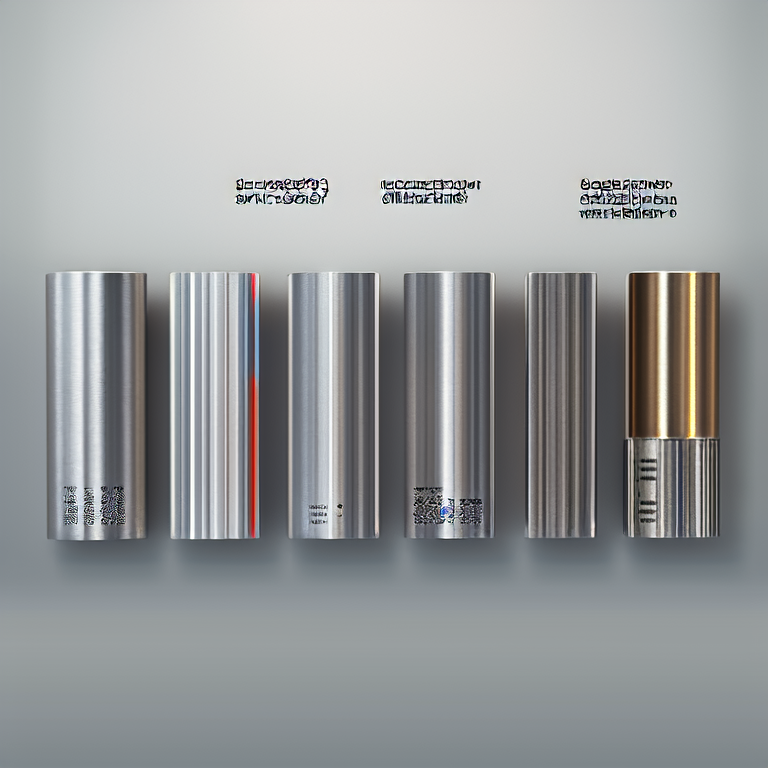
Many users make similar mistakes that can lead to sub-optimal outcomes. Here are a few common errors and their solutions:
Choosing the right surface finish for your CNC machined part is essential for achieving the desired performance and aesthetic outcomes. By understanding your requirements, conducting thorough tests, and being aware of common pitfalls, you can make an informed decision. At KINGCO, we recommend maintaining open dialogues with your finishing vendors, as they can provide insightful recommendations based on the most current industry standards and advancements.
1. What is the most durable surface finish for aluminum parts?
Anodizing offers excellent durability, improving the wear resistance by up to 35% while also enhancing corrosion resistance.
2. How can I ensure my surface finish meets FDA requirements?
Consider finishes such as electropolishing and passivation, which significantly enhance the cleanliness of parts typically used in medical applications.
3. How do I choose a finish for high-temperature applications?
Selecting materials with a specific thermal resistance, such as ceramic coatings, can help in maintaining structural integrity under extreme conditions.
Latest News
Surface Finish Requirements for Medical CNC Parts: Ra Values Explained
Jan.01,1970
How CNC Rapid Prototyping Speeds Up Medical Device Development Cycles
Jan.01,1970
Tight Tolerance CNC Machining for Surgical Instruments: What It Takes
Jan.01,1970
Biocompatible Materials for CNC Machined Medical Implants and Tools
Jan.01,1970
How CNC Machining Supports Medical Device Prototyping and Approval
Jan.01,1970
Let's Build Your Ideas Into Precision Reality Today!
Services
Services
About Us
About Us
Industries
Industries
Resource
Resource
Contact Us
Shenzhen Kingco Precision Modeling Co., Ltd.
Add: Building B3,Anle Industrial Park,Hangcheng Road,Baoan District,Shenzhen City, Gunagdong Province, P.R.China
Guangdong Kingco Precision Technology Co., Ltd.
Add: 301, Block 30, No. 2, Chengnan 4th Road, Cuishanhu New District, Kaiping City, Guandgong Province, P.R. China
+86(755)2908 3033/3066
+86 150 1505 3416