How CNC Machining Supports Medical Device Prototyping and Approval

Jan.01,1970

Introduction: The Challenges in Medical Device Prototyping

Prototyping for medical devices is a complex process fraught with challenges, such as stringent regulatory requirements, precision in manufacturing, and the need for rapid turnaround times. Many engineers struggle to meet the FDA’s standards for safety and efficacy, which can often delay product approval. For instance, a small company developing a new orthopedic implant faced setbacks because their initial prototype lacked the precision required for testing. By adopting CNC machining methods, they improved their designs, significantly enhancing accuracy, which ultimately led to faster approval timelines.

Required Preparation: Essential Materials and Tools for CNC Machining

Before embarking on the CNC machining process for medical device prototyping, you need to gather necessary materials and tools. This includes:

  1. CAD Software: Utilize advanced software like SolidWorks or AutoCAD to create detailed designs.
  2. CNC Milling Machines: Ensure you have high-precision milling machines capable of working with biomaterials such as titanium alloys, which are essential for medical applications.
  3. Quality Control Tools: Invest in measuring tools such as coordinate measuring machines (CMM) that can help ensure compliance with ISO 13485.

Step-by-Step Guidance: Navigating Medical Precision Prototyping & Manufacturing

Here’s a simplified step-by-step guide to successfully prototype a medical device using CNC machining:
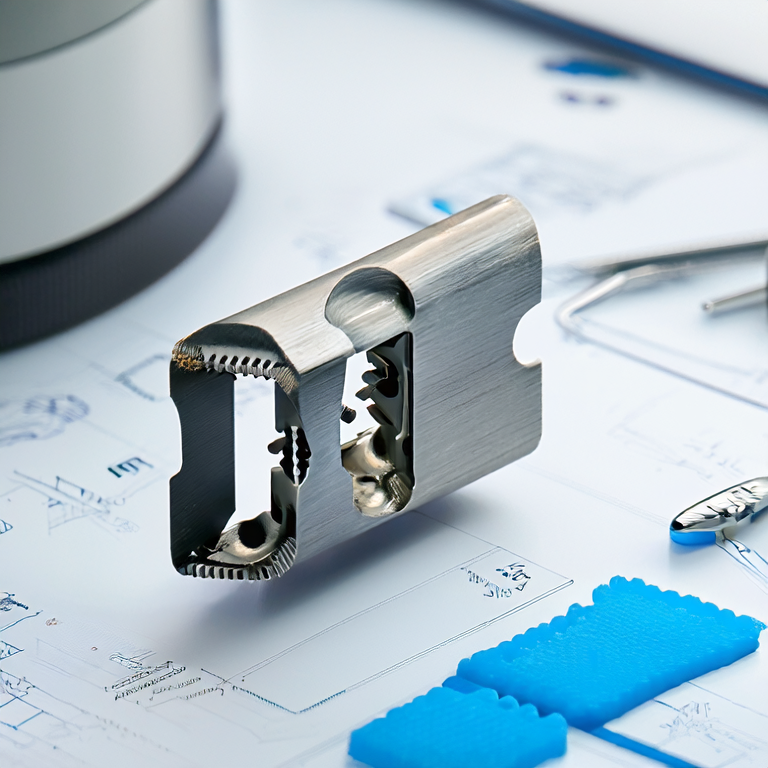
  1. Define Requirements: Start by outlining the specific requirements of your medical device, including regulatory compliance and user needs.
  2. Create a CAD Model: Leverage CAD software to design detailed models. For example, a firm redesigned their heart stent using CAD, addressing previous version flaws.
  3. Select Materials: Choose appropriate manufacturing materials based on biocompatibility tests. Options include stainless steel or polymers compliant with FDA regulations.
  4. Programming the CNC Machine: Use your CAD model to program the CNC machine with precise specifications, ensuring that the manufacturing process meets tolerance levels of ±0.01 mm.
  5. Execute Machining: Monitor the machining process closely. Ensure that the machines are regularly calibrated and maintained, as deviations can result in errors.
  6. Conduct Quality Assurance: After machining, perform rigorous quality testing on the prototypes using CMMs to ensure that all parts meet design specifications.
  7. Iterate Based on Feedback: Solicit feedback from initial testing. A medical startup worked with clinicians who provided insights into their intraoperative needs, prompting the iteration of their device's design.
How CNC Machining Supports Medical Device Prototyping and Approval

Common Errors and Solutions in Medical Precision Prototyping

While CNC machining is invaluable, it does come with its own set of challenges. Here are some common errors along with practical solutions:

  1. Error: Inaccurate tolerances leading to device failure. Solution: Regular calibration of CNC machinery along with comprehensive training for operators can mitigate this issue.
  2. Error: Prototyping delays due to design flaws. Solution: Early and ongoing collaboration with cross-functional teams, including regulatory experts, can catch design issues before production.
  3. Error: Material incompatibility. Solution: Ensure thorough biocompatibility testing during the material selection phase and engage with suppliers who specialize in medical-grade materials.

Summary and Suggestions for Successful Medical Device Prototyping

To thrive in the medical device prototyping landscape, embrace CNC machining technology as a core part of your manufacturing process. Prioritize precision and regulatory compliance from the beginning to avoid costly changes later on. Regularly engage with stakeholders, including engineers, regulatory consultants, and healthcare professionals, to create devices that are not only innovative but also effective and safe for patients. Brands like KINGCO are leading the way in offering supportive resources for engineers, from bespoke CNC machining services to materials that meet stringent medical standards.

FAQ

1. How does CNC machining enhance the prototyping process?
CNC machining improves accuracy and repeatability in manufacturing, increasing the chances of passing regulatory inspections on the first attempt.
2. What is the typical timeframe for prototyping using CNC machines?
Depending on the complexity, prototypes can be developed within 2 to 6 weeks, significantly faster than traditional machining methods.
3. How do I ensure my CNC prototype meets FDA regulations?
Engage a compliance consultant early in the process and maintain rigorous documentation throughout each stage of design and production.

Let's Build Your Ideas Into Precision Reality Today!

Contact Us

Contact Us

Shenzhen Kingco Precision Modeling Co., Ltd.
Add: Building B3,Anle Industrial Park,Hangcheng Road,Baoan District,Shenzhen City, Gunagdong Province, P.R.China

Guangdong Kingco Precision Technology Co., Ltd.
Add: 301, Block 30, No. 2, Chengnan 4th Road, Cuishanhu New District, Kaiping City, Guandgong Province, P.R. China

+86(755)2908 3033/3066
+86 150 1505 3416

© Copyright Guangdong Kingco Precision Technology Co., Ltd. All rights reserved | Sitemap