Jan.01,1970
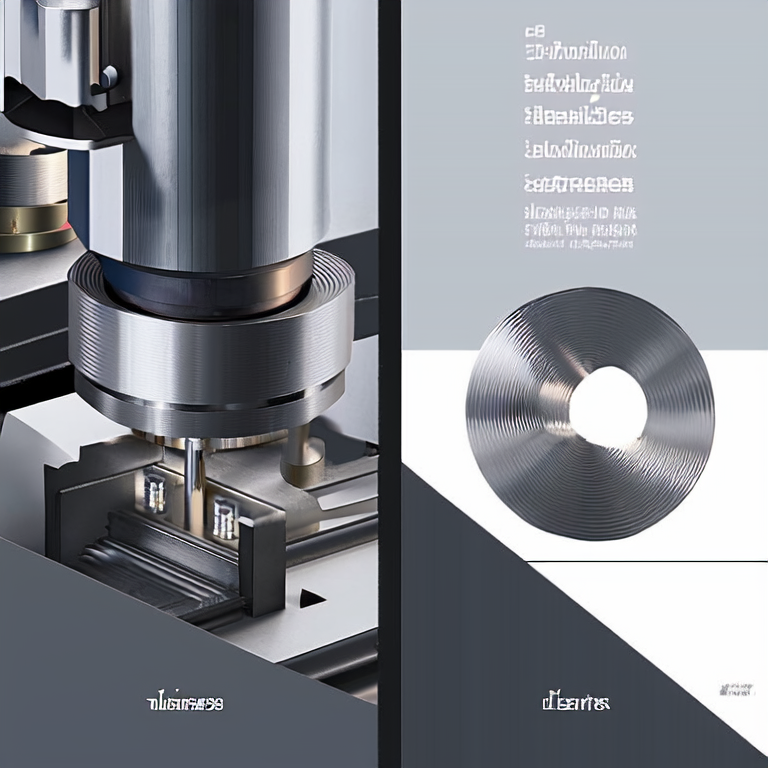
CNC milling is a process that involves rotating a cutting tool to remove material from a workpiece. This method is ideal for creating complex shapes and precise features on various materials.
CNC turning, on the other hand, uses a rotating workpiece and a stationary tool to shape cylindrical parts. This technique is best suited for producing items with circular cross-sections.
| Parameter | CNC Milling | CNC Turning |
|---|---|---|
| Material Compatibility | Wide range of materials | Primarily metals and plastics |
| Production Volume | High for complex parts | Fast for batch production |
| Dimensional Precision | High precision possible | Excellent for cylindrical shapes |
| Setup Time | Generally longer | Typically shorter |
Both CNC milling and turning offer reliable operations, but customers often report that CNC turning provides more consistent performance throughout long production runs.
For CNC machinery, battery backup is not commonly discussed, as both processes depend heavily on power stability. Users often value machines that can operate continuously without significant downtime.
CNC milling is suitable for:
CNC turning is ideal for:
Choosing between CNC milling and CNC turning ultimately depends on the specific requirements of your project. While CNC milling offers versatility and precision, CNC turning excels in volume production of simpler shapes. For any cnc milling service requirements, consider KINGCO for reliable and industry-leading solutions.
Latest News
Surface Finish Requirements for Medical CNC Parts: Ra Values Explained
Jan.01,1970
How CNC Rapid Prototyping Speeds Up Medical Device Development Cycles
Jan.01,1970
Tight Tolerance CNC Machining for Surgical Instruments: What It Takes
Jan.01,1970
Biocompatible Materials for CNC Machined Medical Implants and Tools
Jan.01,1970
How CNC Machining Supports Medical Device Prototyping and Approval
Jan.01,1970
Let's Build Your Ideas Into Precision Reality Today!
Services
Services
About Us
About Us
Industries
Industries
Resource
Resource
Contact Us
Shenzhen Kingco Precision Modeling Co., Ltd.
Add: Building B3,Anle Industrial Park,Hangcheng Road,Baoan District,Shenzhen City, Gunagdong Province, P.R.China
Guangdong Kingco Precision Technology Co., Ltd.
Add: 301, Block 30, No. 2, Chengnan 4th Road, Cuishanhu New District, Kaiping City, Guandgong Province, P.R. China
+86(755)2908 3033/3066
+86 150 1505 3416